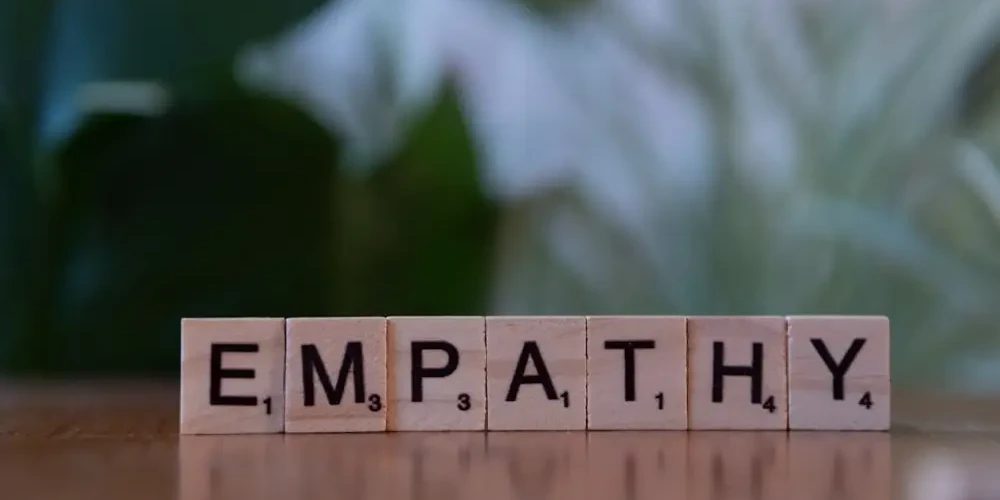

The Silent Crisis of the Caretakers
In the quiet corners of our social structures, a subtle but profound shift is occurring. The individuals who have long served as the emotional bedrock of our families, workplaces, and communities—the ones we call ‘the compassionate ones’—are hitting a wall. This isn’t the standard exhaustion that follows a long week; it is a structural fracturing of the spirit. As we navigate an era defined by hyper-connectivity and global instability, the weight of empathy has reached a tipping point.
At Orange Sunshine of Eternal Love, we have observed a rising trend in what clinicians call ‘compassion fatigue.’ However, the current phenomenon transcends clinical definitions. It is an editorial reflection of our times: a world that asks for infinite empathy but offers finite restoration. To understand why the most kind-hearted among us are reaching their breaking point, we must look at the intersection of modern psychology and the digital landscape.
The Architecture of the Breaking Point
For decades, the ability to empathize was viewed as an inexhaustible resource. We believed that the more love one gave, the more one had to give. While that remains true in a spiritual sense, the human nervous system tells a different story. The modern compassionate person is no longer just supporting a neighbor or a friend; they are unconsciously carrying the weight of the world’s collective trauma.
The Digital Echo Chamber of Empathy
One of the primary catalysts for this breaking point is the 24-hour news cycle and the relentless stream of social media. In previous generations, compassion was localized. You helped the person in front of you. Today, we are exposed to global suffering in high definition, every hour of the day. For the naturally empathetic, this creates a state of ‘secondary traumatic stress.’ Their brains do not distinguish between a personal tragedy and a viral video of a disaster thousands of miles away. They feel it all, and the nervous system eventually chooses numbness as a survival mechanism.
The Giver’s Paradox: Why Kindness is Costing More
There is a specific irony in the current mental health landscape: the more compassionate you are, the more the world tends to demand from you. In professional environments, the ’empathetic employee’ becomes the unofficial therapist for the entire office. In families, the ‘peacekeeper’ absorbs the friction of every conflict. This unpaid emotional labor is rarely recognized until the person performing it can no longer function.
The breaking point occurs when the output of emotional energy consistently exceeds the input of restorative care. We are seeing a generation of givers who have mastered the art of looking outward but have forgotten the necessity of looking inward. This imbalance leads to several distinct markers of burnout:
- Emotional Flattening: A sense of being ‘hollowed out’ where even positive events fail to trigger joy.
- Hyper-Vigilance: An inability to relax because of a perceived need to be ‘on call’ for others’ crises.
- Cynical Detachment: A sudden, jarring shift from deep caring to cold indifference as the brain’s defense against further pain.
- Physical Manifestations: Chronic fatigue, tension headaches, and a compromised immune system.
The Erosion of Boundaries in an Always-On Culture
The concept of ‘mindful living’ is often discussed as a luxury, but for the compassionate person, it has become a necessity for survival. The modern world has eroded the natural boundaries that once protected our mental space. The smartphone in our pocket is a direct portal for other people’s needs, demands, and sorrows. For someone with a high ’empathy quotient,’ saying no feels like a moral failing rather than a healthy limit.
The Guilt of Self-Preservation
Perhaps the most significant hurdle for those reaching their breaking point is the guilt associated with pulling back. We have socialized the most empathetic among us to believe that their value is tied to their utility to others. When they finally stop to breathe, they feel as though they are letting the world down. This ’empathy guilt’ is a psychological trap that keeps individuals in a cycle of depletion until a total collapse occurs.
Moving Toward Sustainable Compassion
If we are to preserve the emotional warmth that makes life meaningful, we must shift the paradigm from sacrificial empathy to sustainable compassion. This requires a radical re-evaluation of how we view wellness. It is not enough to simply ‘take a break.’ We must restructure our relationship with the world’s demands.
- Selective Vulnerability: Recognizing that you cannot be an open vessel for everyone’s pain. It is okay to choose whose burdens you help carry.
- Digital Minimalism: Actively limiting the intake of global trauma to allow the nervous system time to regulate.
- The Ritual of Return: Establishing daily practices—like those we discuss in our ‘Daily Rituals for Inner Calm’—that pull the focus back to the self.
- Reframing ‘No’ as ‘Not Now’: Learning that setting a boundary is not a rejection of the other person, but a protection of the relationship.
A Call for Emotional Stewardship
The most compassionate people are the world’s most valuable natural resource. When they reach their breaking point, we all lose a bit of the light that keeps the darkness of the world at bay. It is time we stop praising people for their selflessness and start encouraging them toward self-stewardship. True wellness isn’t just about finding peace in the chaos; it’s about having the courage to step out of the chaos when it becomes too much to bear.
As we advocate for mindful living and emotional wellness at Orange Sunshine of Eternal Love, we remind you that the most important person you can offer compassion to is yourself. Only when the well is full can we continue to offer a drink to the thirsty world around us.